TL;DR
- Cyber resilience is now a board-level priority for enterprises globally
- Choosing best-in-class solutions can make or break enterprise cyber resilience capabilities
- PowerProtect One underpins cyber resilience by unifying management, orchestration, and secure, efficient protection storage into one cohesive experience
Cyber resilience is more than just a flash-in-the-pan trend in 2026 — it’s a board-level imperative for organizations operating in an increasingly perilous threat landscape.
Recent analysis from Gartner highlighted resilience as one of the top trends CISOs need to focus on in 2026 — and for good reason.
Growing ransomware threats combined with the enterprise shift toward AI and its associated risks mean that IT leaders now place a huge emphasis on preventative, rather than reactive, cybersecurity capabilities.
“The remit expands with enterprise AI and resilience expectations,” the consultancy noted. “CISOs should lead through influence, not unchecked task ownership, center on cyber resilience, reset board expectations, and coordinate with the CIO, CRO and CDAO to scale sustainably.”
Running parallel to these areas are growing regulatory considerations for enterprises, according to Gartner. The consultancy urged cybersecurity leaders to “recalibrate their strategies” with regard to cyber resilience in order to meet compliance requirements.
“Rapid incident reporting requirements (sometimes within 24 hours) and heightened data sovereignty pressures demand robust, automated processes and strategic vendor decisions,” Gartner noted.
Efforts to bolster cyber resilience are gathering momentum, according to research from Dell. Analysis by the company in January 2026 found the vast majority (99%) of enterprises now have some form of strategy in place.
Yet despite this sharpened focus on cyber resilience, the study found that nearly two-thirds (63%) of IT leaders overestimate their organization’s readiness and resilience capabilities. This trend of ‘resilience debt’, as Dell describes it, puts organizations at huge risk and could leave them ill-prepared in the event of a data breach or security incident.
With this in mind, it’s critical that organizations opt for solutions that provide robust, comprehensive cyber resilience and recovery capabilities. After all, this could make the difference between disaster and recovery in the event of a security incident.
Dell PowerProtect One ranks among the leading industry solutions on this front, enabling organizations to unify cyber resilience environments and keep mission-critical data safe and secure.
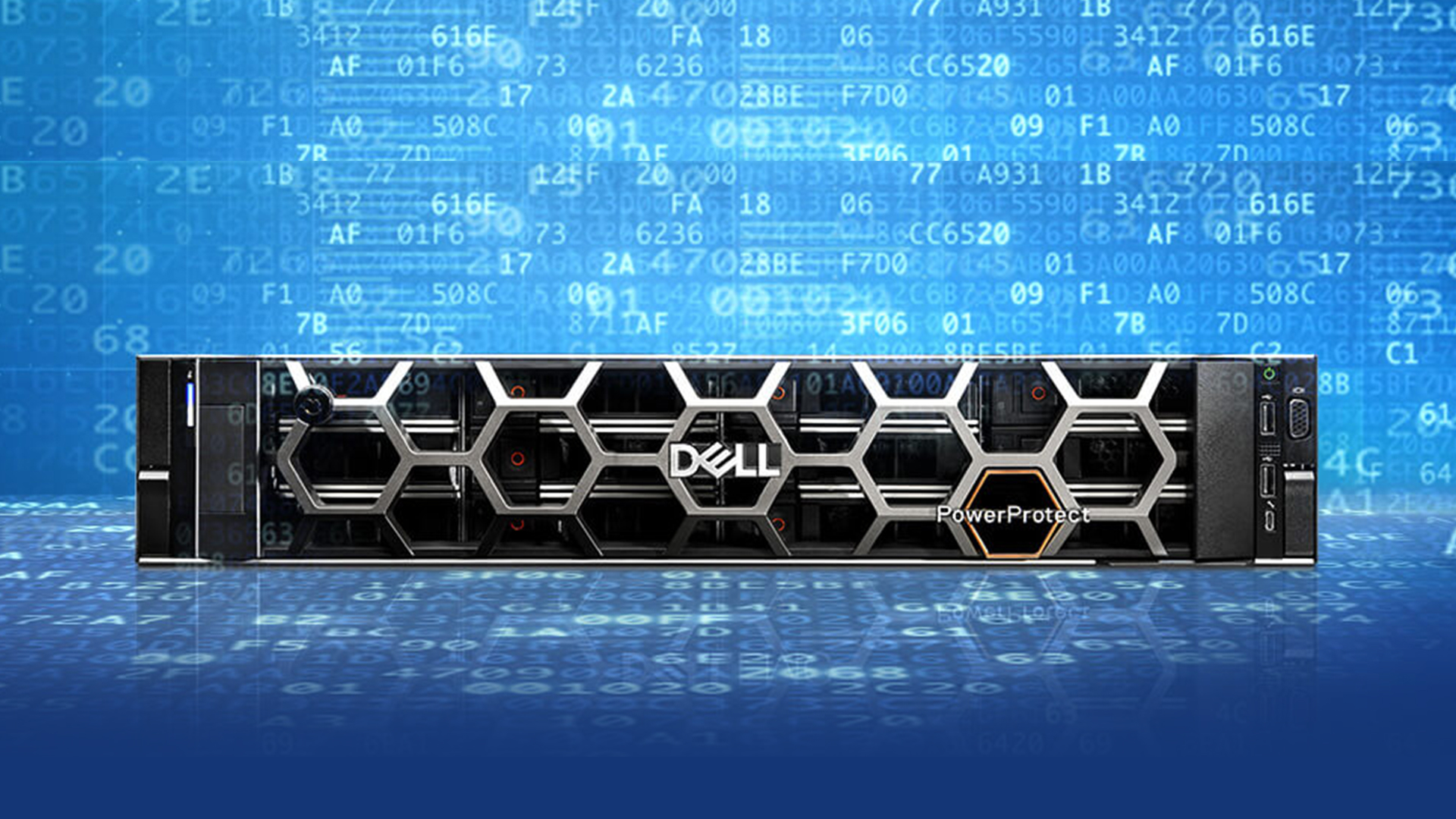
Dell PowerProtect One aims to unify cyber resilience capabilities for organizations. It provides a consolidated cyber resilience architecture — meaning streamlined management, orchestration, and secure, efficient protection storage through a single interface.
Two established Dell solutions form the core of PowerProtect One: Dell PowerProtect Data Domain and Dell PowerProtect Data Manager. These provide the storage and software capabilities required to bolster cyber resilience, spanning areas such as data protection, backup, and recovery.
Dell unveiled PowerProtect One at the company’s annual Dell Technologies World Conference in May 2026. It comes equipped with a range of intuitive new features aimed at simplifying cyber resilience.
Among these is a new unified dashboard designed specifically for security and IT practitioners. This enables enterprises to establish a comprehensive, centralized overview of their IT environments through a single source of truth.
According to official Dell materials, the dashboard “consolidates key signals” including:
- Job health
- System status
- Capacity trends
- Risk posture
By consolidating these signals, IT and security practitioners no longer have to “jump between separate consoles” and contend with disparate, fragmented solutions that create blind spots.
Early testing of the platform with enterprise customers found those using PowerProtect One reduced management overhead by up to 50%*, which Dell noted showcases the efficiency-related benefits of a single-platform solution.
“By aggregating monitoring data across distributed environments, it reduces operational overhead, speeds troubleshooting, and helps you spot trends and issues faster for better decisions,” according to Dell. “The Unified Dashboard is designed for scalable, enterprise-wide management.”
Intelligent Resilience Capabilities
Intuitive analytics features included with PowerProtect One aim to further streamline operations for IT and security teams.
The platform’s Anomaly Detection feature is a key tool used to provide “comprehensive monitoring” of IT environments. This machine learning-powered tool monitors metadata and conducts analysis of system configurations and behavioral patterns.
In the event of suspicious file activity, users are alerted, enabling them to react quickly to potential security risks.
Notably, the Anomaly Detection feature uses a dedicated landing page that “centralizes investigation with policy-level exclusions and actionable workflows for verification and false positive reporting.” This allows teams to ensure backup data remains safe, secure, and recoverable while “maintaining operational consistency.”
Built-in AI Assistant
PowerProtect One’s in-product, AI-powered assistant helps teams work faster and resolve issues more efficiently by surfacing relevant insights and guidance directly within the platform — reducing the need to switch between tools or consult external documentation during incident response.