Bolt Forge Trades Developer Session Data for 50x Model Usage
Bolt.new's Forge program offers Pro subscribers up to 50x more AI coding model usage in exchange for anonymized session data used to train open-weight models.
Bolt.new's Forge program offers Pro subscribers up to 50x more AI coding model usage in exchange for anonymized session data used to train open-weight models.
OpenAI has acquired the founders of Git AI, an open-source tool that tracks AI-generated code and measures coding agent performance and ROI.
Mobile workforces create new security challenges for SMBs. Dell Pro laptops offer hardware-backed protection to help IT teams manage devices anywhere.
Meta released Muse Spark 1.3 with major coding and agentic gains, beating Gemini 3.8 Flash on both intelligence score and cost efficiency within hours.
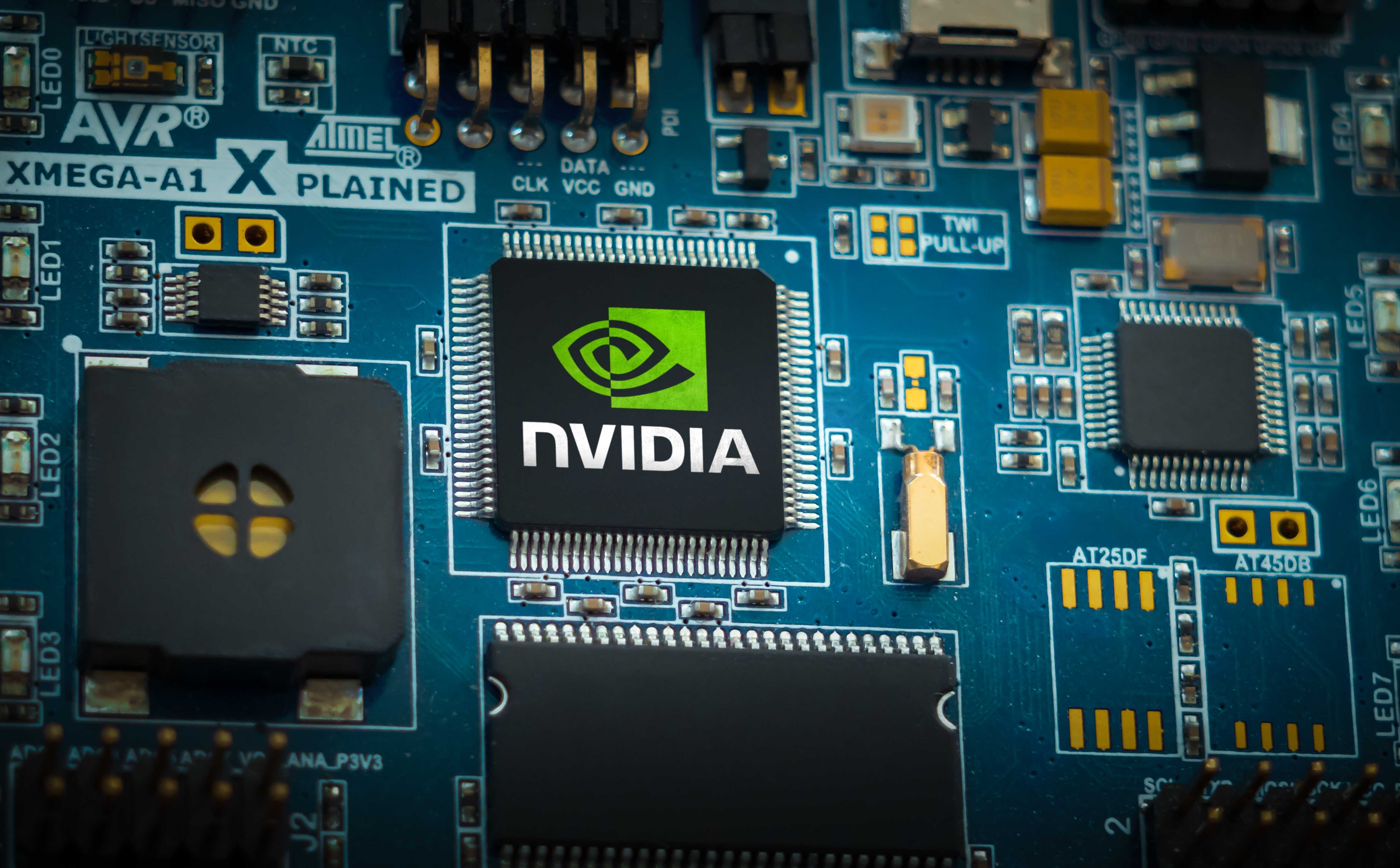
A flaw in Nvidia's NemoClaw lets attackers hijack local Ollama servers through a malicious website visit, planting persistent instructions into AI models.
Nvidia plans a 15% price hike on servers for early 2027, following July's 30% increase. Skyrocketing memory costs are driving the back-to-back raises.
IT spending is growing, but margin is shifting away from resale. Partners must build services around the license to stay relevant.
Half of enterprise AI deployments are missing their own latency targets at peak load. Here's why distributed architecture, not more GPUs, is the fix.
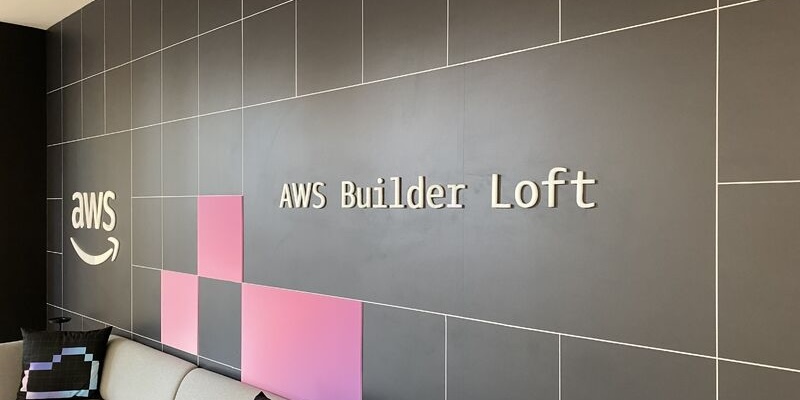
AWS is expanding its Builder Loft program to three new cities. Permanent community spaces will offer free workshops, events, and co-working for developers.
Amazon DynamoDB now supports general availability of native vector search with single-digit millisecond latency. Store and search vector embeddings alongside op
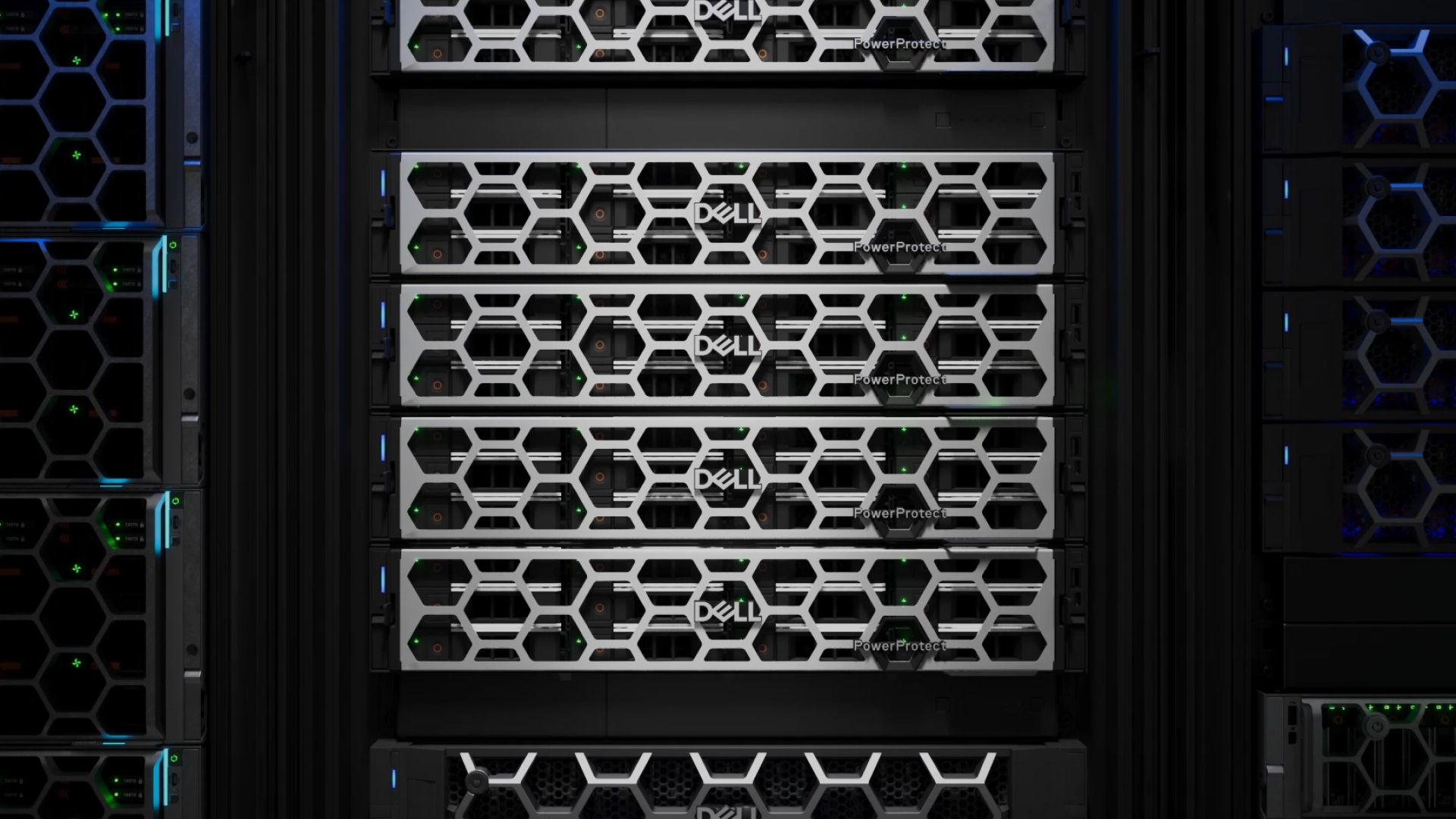
Cyber resilience is now a board-level priority. Learn what it means and how Dell PowerProtect One unifies protection, recovery, and management.
GPUs are essential for AI workloads but prohibitively expensive to own. GPU-as-a-service offers enterprises a flexible, cost-effective alternative.