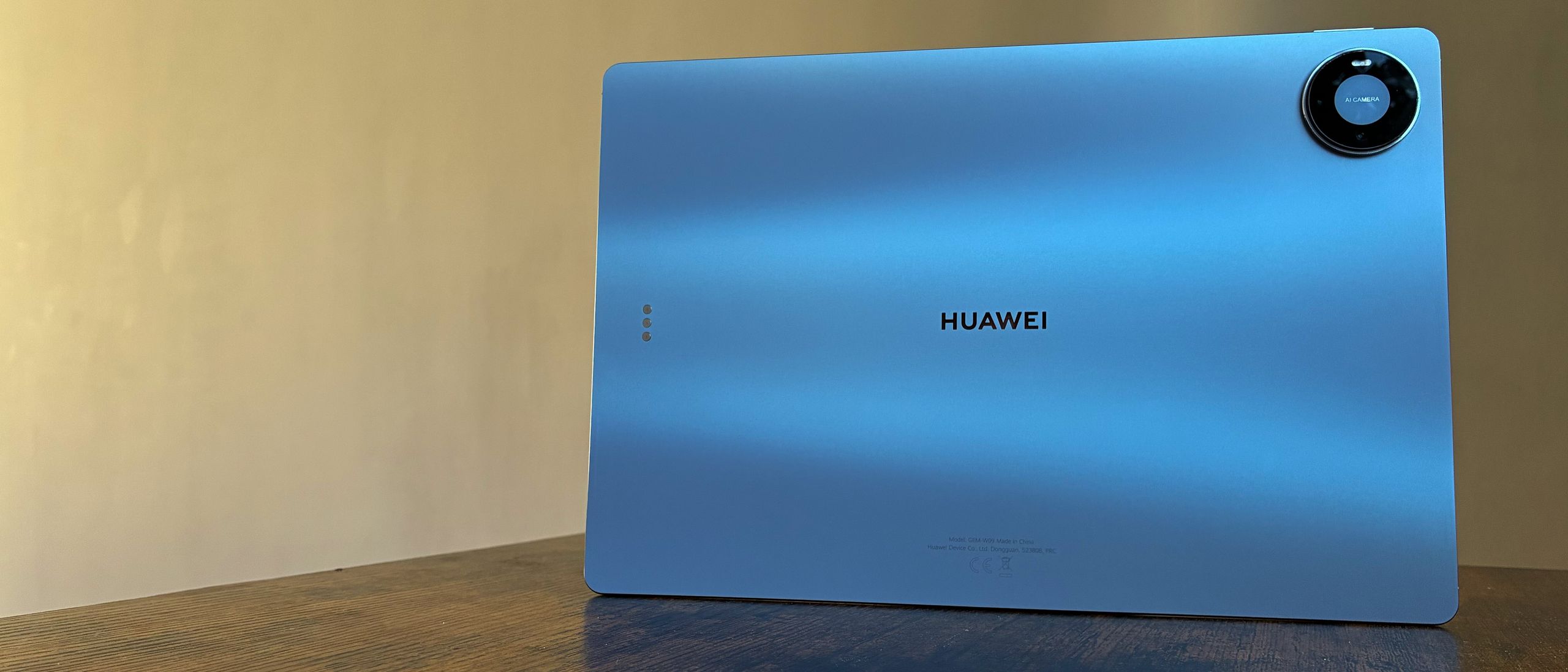
The Huawei MatePad Pro Max is coming to the UK and most of Europe, and this is great news for those who want alternatives to Apple and Samsung. Some cynics might see this as just another tech brand adding the same combination of words — Pro, Max — to make a device sound bigger and better. But having used the Pro Max for a week, it’s a tablet genuinely worthy of those titles.
To begin with, it’s impossibly thin at just 4.7mm — the thinnest 13-inch tablet in the world, according to Huawei — and certainly slimmer than any recent tablet tested by ITPro. It’s also simply great to work with. The bright display features Huawei’s PaperMatte technology, and combined with the Huawei M-Pencil, it delivers a true-to-life pencil-on-paper feel.
 (Image credit: Future)
Huawei aims its MatePads at both consumers and business users, and there is a solid argument that this can serve as a laptop replacement — particularly as Huawei’s laptop business has stalled in the Western market. For creative professionals, however, this is a bona fide creative powerhouse. The Huawei M-Pencil and GoPaint app make it arguably one of the best tablets around for creators.
The MatePad Pro Max is a 13.2-inch tablet encased in a sleek metal body. The review unit is a soft satin blue with a 4.7mm frame and some of the smoothest corners seen on a tablet. It weighs just 509g, feels comfortable in one hand, and slides in and out of a bag with zero effort.
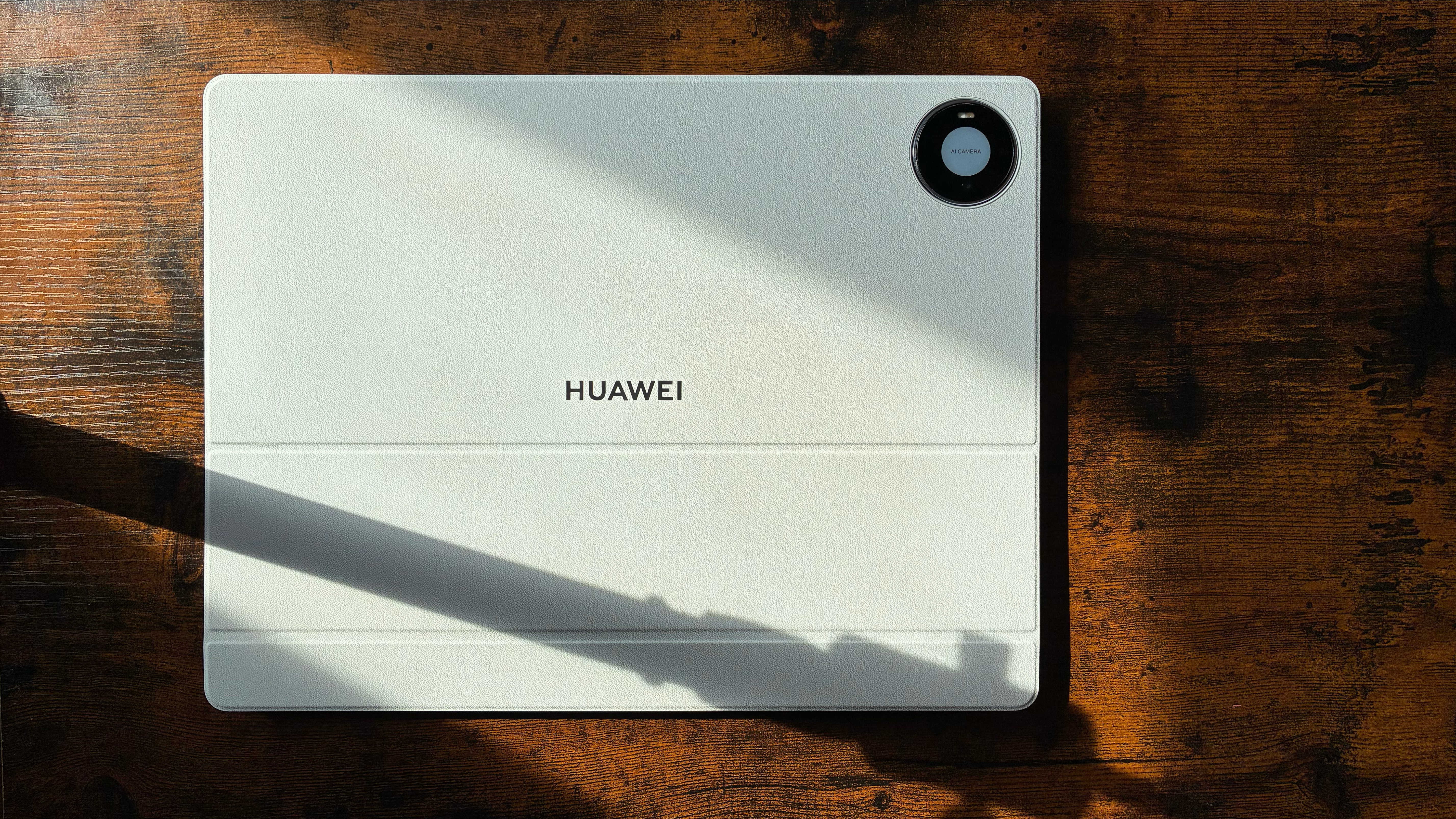
The back cover has a two-tone finish thanks to a nano-level coating over its metal body, creating a pleasing light and shadow effect that allows features — the shiny Huawei logo and camera bump — to stand out. In the top corner sits a black camera ring with an ‘AI Camera’ logo. At the bottom in portrait orientation is a USB Type-C port flanked by two sets of speaker holes. In the same corner as the camera, there is a volume rocker and a power button.
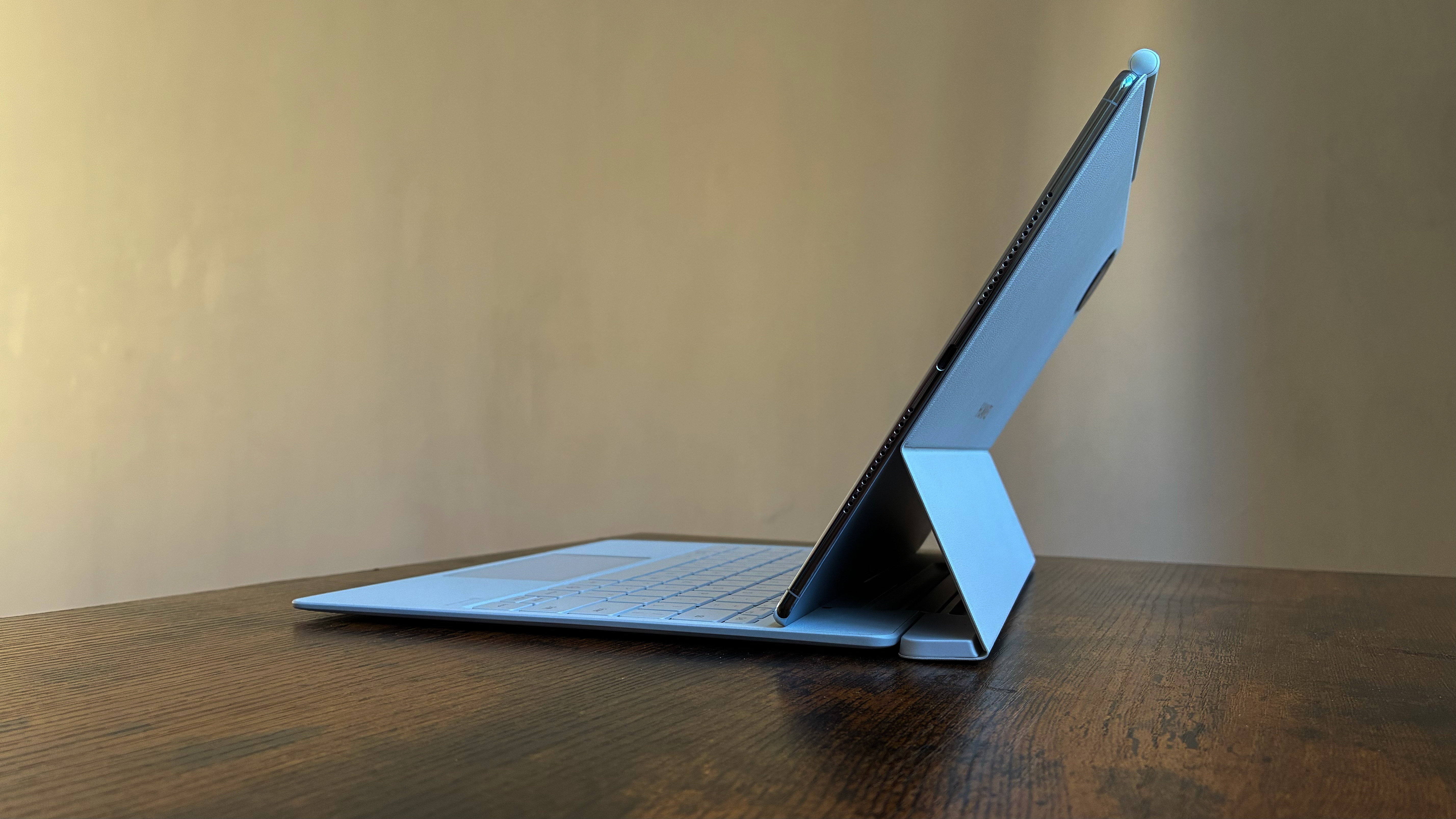
Pogo pins connect Huawei’s NearLink Keyboard, which comes connected right out of the box. There is also a trench to house the M-Pencil, and you can dock the pen along the top edge in landscape mode, where a small oblong indent marks the docking position. Whether attached to the top or to the keyboard, the pen will charge.
 (Image credit: Future)
Display
Huawei’s PaperMatte technology again features on this premium tablet. For the uninitiated, it’s a micro-layer that provides both anti-glare coverage and gives the feel of pen on paper. The reMarkable Paper Pro and Paper Pure remain the most paper-like tablets available, but the Huawei MatePad Pro Max is as close as you can get on a more traditional tablet. Combined with the Huawei M-Pencil Pro, the result is capable of quite striking illustrations.
The 13.2-inch display is a Flexible OLED panel with a 3000 x 2000 resolution and 273 ppi. It’s gloriously large and vibrant, with minimal glare thanks to the matte finish. Brightness peaked at 603.32cd/m² during testing, and Huawei rates it at 1,600 nits peak, suggesting significant headroom beyond measured performance.
Colour reproduction is strong. In testing, the Pro Max produced 98.2% sRGB gamut colour coverage and 100.5% volume — slightly above the M5 iPad Pro’s 97.3% colour coverage. It narrowly missed the 70% Adobe RGB threshold that ITPro uses to recommend a display to photography professionals, but it is perfectly suitable for illustrators and graphic designers.