Microsoft and Databricks Expand Partnership to Strengthen AI Data Management
Microsoft and Databricks are deepening their decade-long partnership, focusing on data management, Azure Cobalt infrastructure, and Genie AI integration.
Microsoft and Databricks are deepening their decade-long partnership, focusing on data management, Azure Cobalt infrastructure, and Genie AI integration.
Kimi K3 costs a third of Fable 5's price but took four times longer across three real coding tasks. Results were nearly identical.
Red Hat combines OpenShift with NVIDIA AI frameworks to deliver function-level exploit analysis, cutting false positives and focusing teams on real risks.
Microsoft's Brain is Azure's centralized AIOps system that monitors cloud health, declares outages, and automates customer notifications at hyperscale.
Meta developed a custom CXL chip called Vistara to reuse surplus older RAM in newer servers without significant performance loss.
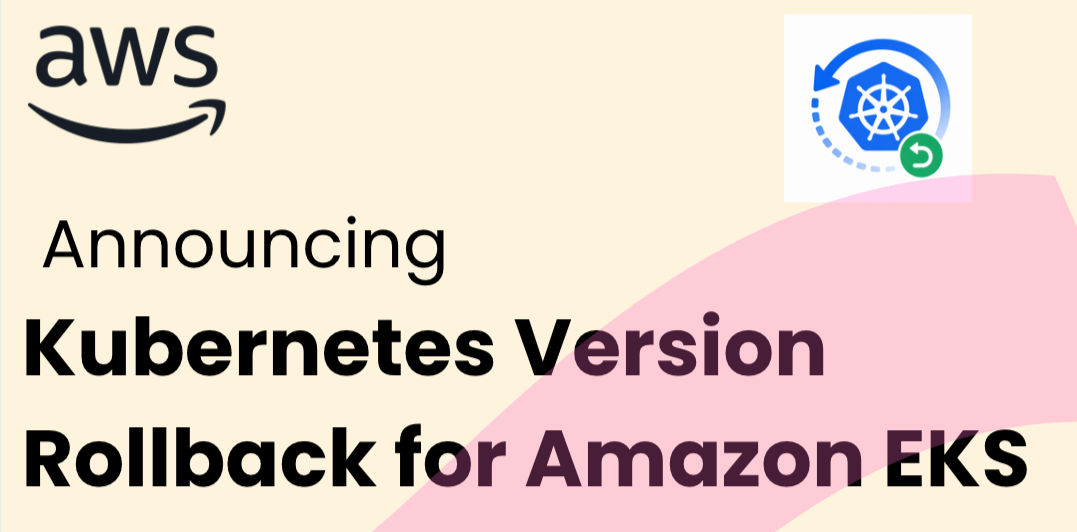
Amazon EKS now lets cluster administrators roll back a Kubernetes version upgrade within seven days. No extra cost, available in all commercial AWS Regions.
60% of developers say AI coding ROI exceeded expectations, but most organizations lack the infrastructure and policies to govern agent actions at scale.
Anthropic's Claude Tag embeds Claude directly into Slack channels as a shared, persistent agent that accumulates context and works autonomously over time.
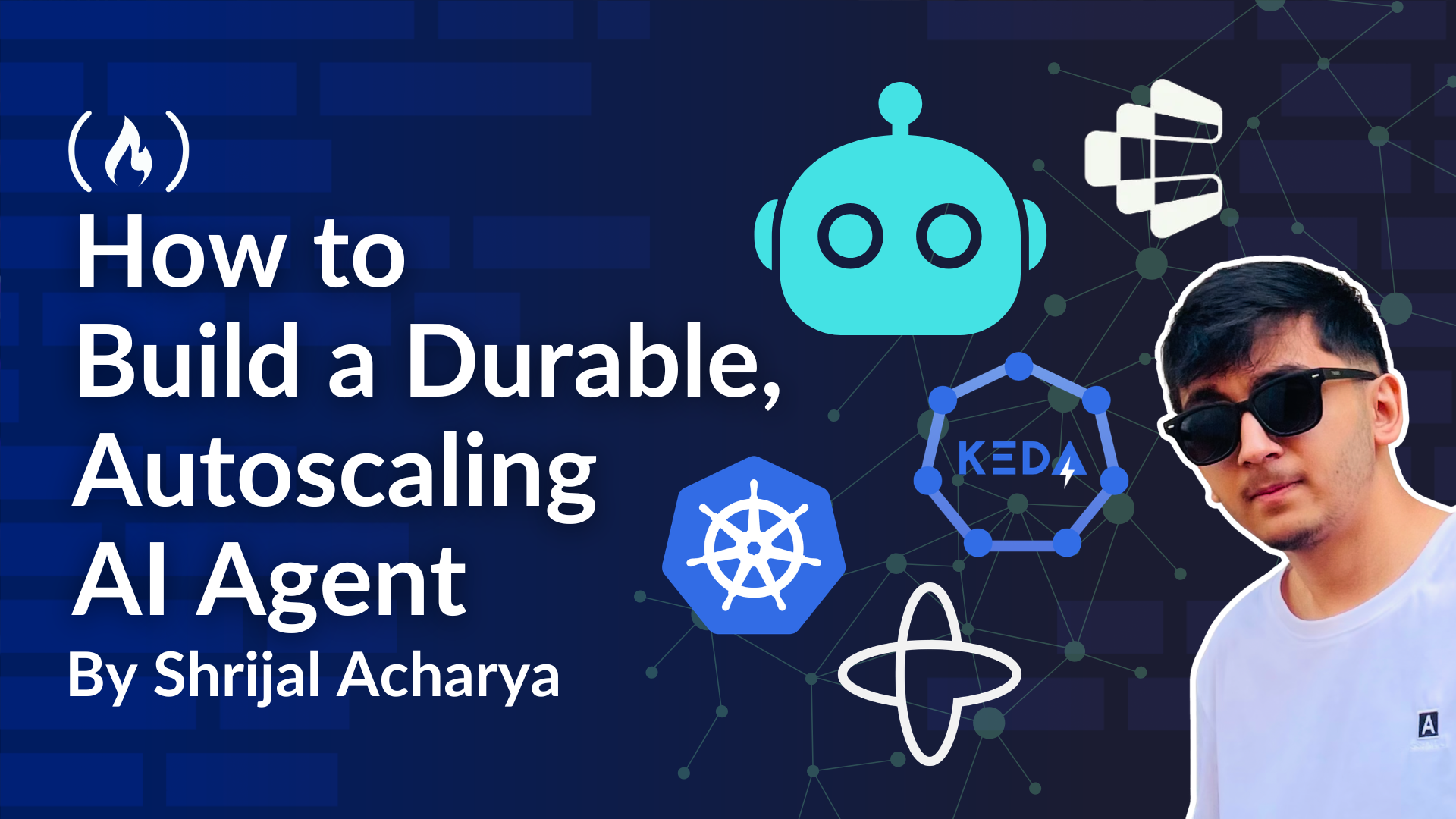
A practical study guide to building crash-resistant, autoscaling AI agents using Temporal, Composio, KEDA, and Kubernetes.
Pure prevention is no longer a credible cybersecurity strategy. Organizations must now focus on resilience, continuity, and the ability to survive a breach.
Five Eyes cybersecurity agencies urge CSOs to overhaul cyber risk strategies as AI-driven threats accelerate. Experts call the guidance late but necessary.
GitLab's AI Accountability Report finds 43% of organizations can't distinguish AI-generated code from human-written code in their own codebases.